
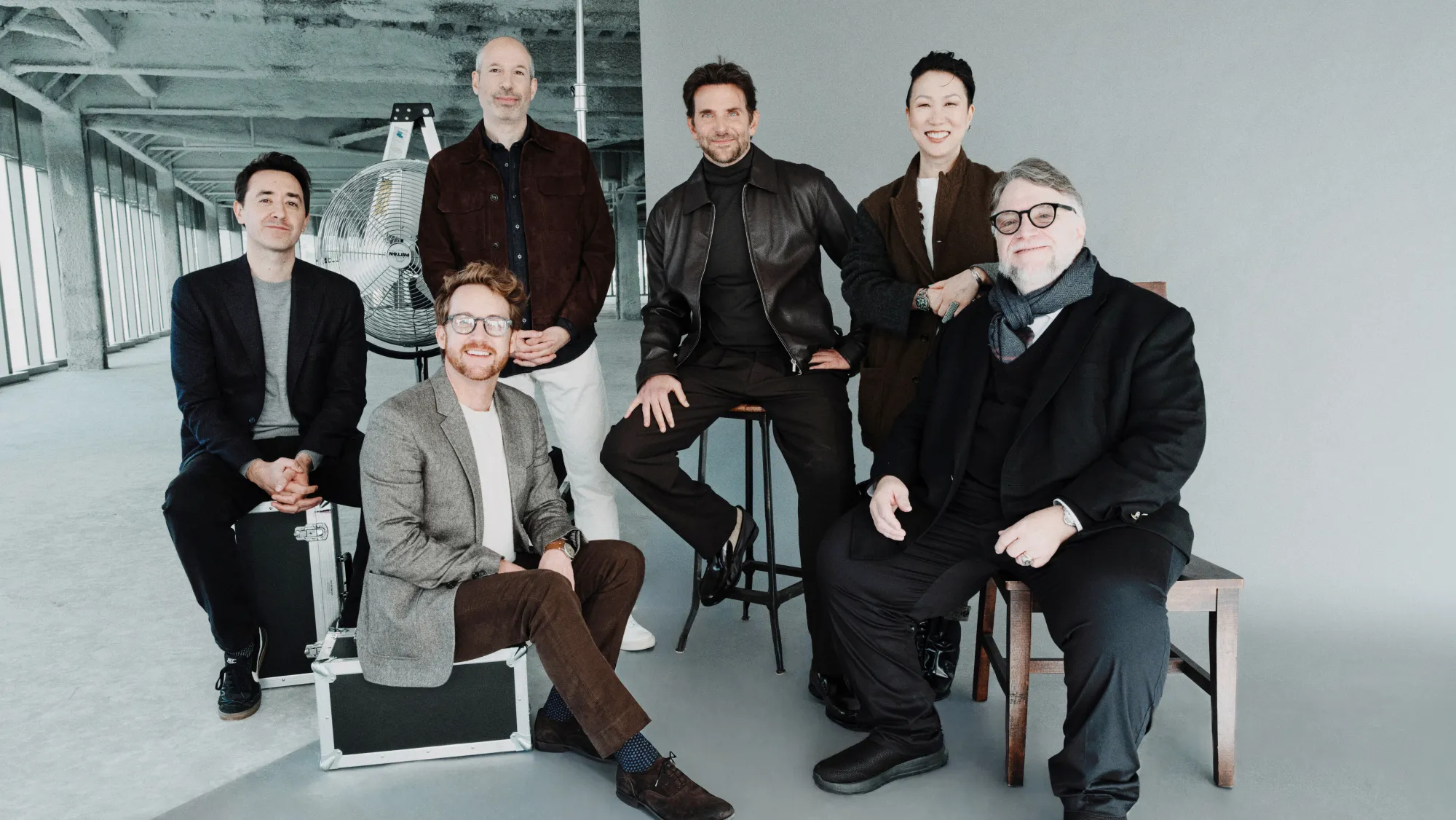
In a candid and deeply personal roundtable, some of Hollywood’s most celebrated storytellers — including Bradley Cooper, Guillermo del Toro, Greta Gerwig, and Celine Song — came together to discuss the emotional craftsmanship behind dialogue, the therapeutic nature of writing, and the alchemy that turns personal grief into resonant storytelling. The conversation revealed how screenwriting serves not only as a form of creative expression but also as a vessel for understanding loss, love, and human complexity.
Bradley Cooper, reflecting on his journey from actor to writer-director, described his writing process for Maestro as both “methodical and emotional,” noting that it required him to mine personal experiences with loss and vulnerability. “You can’t fake grief,” Cooper explained. “When you write from pain, it gives every word weight.” His insight set the tone for a broader conversation about truth in storytelling — how writers can translate raw emotion into cinematic language that connects universally.
Guillermo del Toro, ever the visionary craftsman, shared how his scripts often emerge from deeply personal wounds. “Monsters, to me, are metaphors for pain,” he said. “Writing is my way of putting sorrow into form — to control it, reshape it, make it meaningful.” Del Toro’s emphasis on emotional honesty resonated strongly with the table, underscoring that the most “infectious” dialogue comes not from clever turns of phrase but from emotional authenticity.
Greta Gerwig elaborated on the importance of tone and rhythm in dialogue, describing it like “musical composition” — each line carrying an emotional note that must harmonize with the rest of the story. Meanwhile, Celine Song spoke of writing Past Lives as a meditation on memory and time, calling the process “a slow therapy for a wound you didn’t know was still open.”
As the discussion drew to a close, one theme rang clear: great writing does not chase perfection — it pursues truth. Every pause, laugh, and silence in dialogue becomes a reflection of something real. For these storytellers, screenwriting isn’t just a profession; it’s an act of empathy, a conversation with themselves and the world. And in that exchange, authenticity becomes the most powerful form of artistry.